
How Routine Can Reduce Anxiety Around Alzheimer’s Care in Phoenix
At a Glance: People living with Alzheimer's disease or another form of dementia often experience anxiety because memory changes can make everyday life feel confusing and unpredictable. Consistent routines, meaningful social connections, and engaging daily activities can help reduce stress while improving emotional well-being.
At Clarendale Arcadia, our Heartfelt Connections – A Memory Care Program® provides compassionate Alzheimer's care in Phoenix through personalized support, structured routines, and opportunities for meaningful engagement.
What Causes Anxiety for People Living with Alzheimer's Disease?
Alzheimer's disease and other forms of dementia can cause anxiety because changes in memory and thinking make familiar situations feel uncertain.
As memory loss progresses, everyday tasks, conversations, and surroundings may become more difficult to recognize or understand. This uncertainty can leave individuals feeling overwhelmed, frustrated, or fearful.
Anxiety may appear in different ways, including:
- Restlessness or pacing
- Irritability
- Difficulty sleeping
- Repeating questions
- Withdrawing from favorite activities
- Increased confusion in unfamiliar environments
These behaviors are often a response to cognitive changes rather than intentional actions. Understanding the connection between memory loss and anxiety helps families respond with greater patience and compassion.
How Can Daily Routines Help Reduce Anxiety?
Daily routines reduce anxiety by creating consistency and helping people know what to expect throughout the day.
When each day follows a familiar rhythm, there are fewer surprises that may trigger confusion. Regular schedules also help build confidence because residents don't have to continually adapt to changing expectations.
A structured routine may include:
- A consistent wake-up time
- Shared meals at regular times
- Personalized daily activities
- Opportunities for exercise and relaxation
- Evening routines that promote restful sleep
Even small routines—such as enjoying coffee in the same place each morning or taking an afternoon walk—can provide reassurance and a comforting sense of familiarity.
Why Is Social Connection Important for People Living with Alzheimer's?
Social connection helps reduce feelings of isolation while supporting emotional health for people living with Alzheimer's.
Meaningful relationships remain important throughout every stage of cognitive decline. Spending time with others can encourage conversation, laughter, and moments of joy while helping residents feel valued and included.
Opportunities for connection may include:
- Sharing meals with neighbors
- Participating in music or art programs
- Joining small group activities
- Celebrating birthdays and holidays
- Spending quality time with family
- Enjoying everyday conversations with caregivers
The goal isn't to stay busy all day. It's to create meaningful moments that match each person's interests, comfort level, and abilities.

What Daily Activities Support Emotional Well-Being?
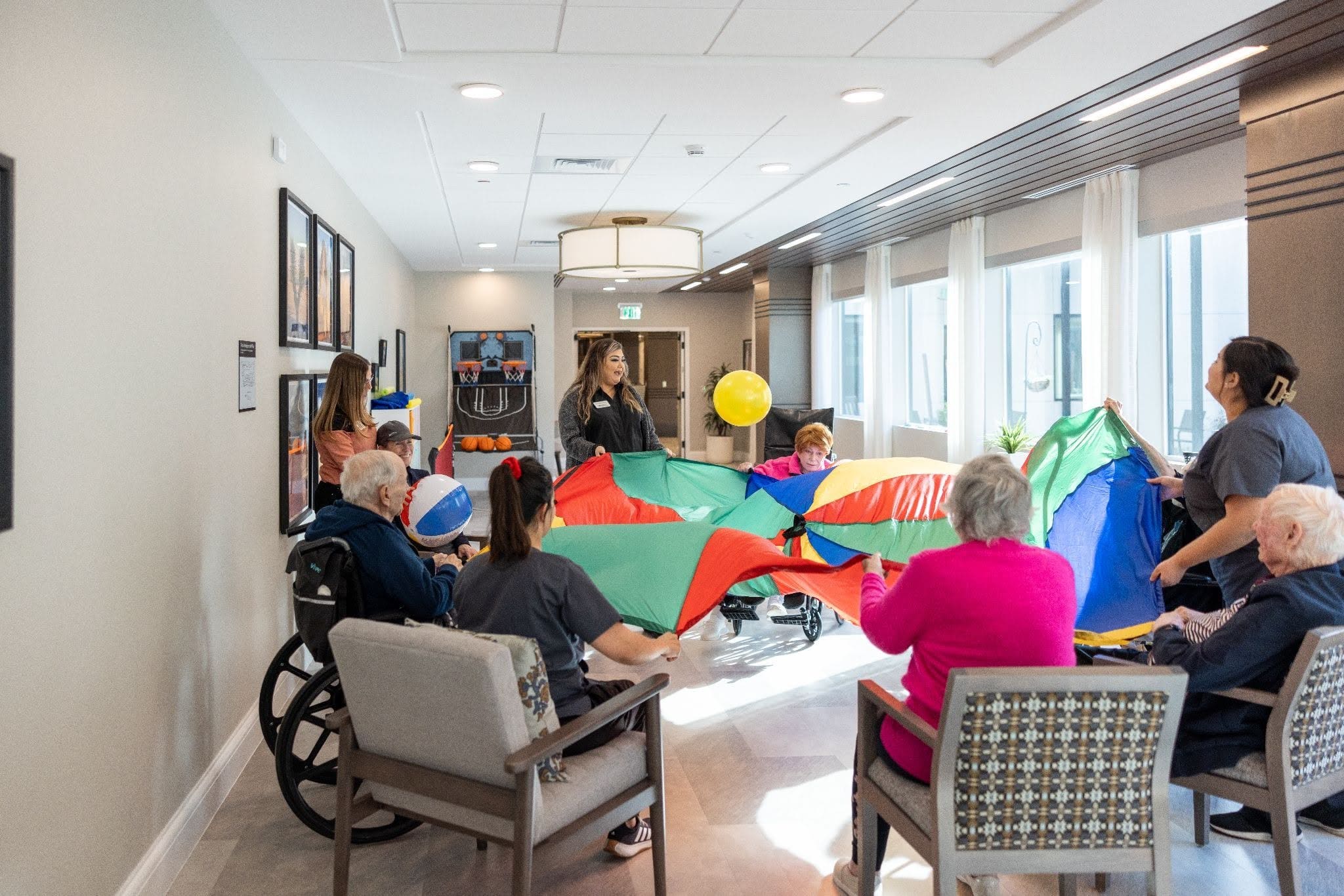
Purposeful daily activities help reduce anxiety by encouraging engagement, confidence, and a sense of purpose.
The most effective memory care programs personalize activities based on each resident's preferences and cognitive abilities, allowing them to participate in ways that feel comfortable and successful.
Examples of meaningful daily activities include:
- Music and reminiscence to encourage memories and conversation
- Creative arts like painting or crafts for self-expression
- Gentle movement, such as walking, stretching, or chair exercises to support wellness
- Sensory activities like gardening, flower arranging, or spending time outdoors to promote calm and purpose
These activities do more than fill the day—they encourage engagement, reduce anxiety, and support emotional well-being.
How Does Memory Care Help Reduce Anxiety?
Memory care provides specialized dementia care, structured routines, and personalized support designed to help residents feel safe, comfortable, and connected.
Unlike traditional senior living, memory care communities are intentionally designed to meet the changing needs of individuals living with Alzheimer's disease and other forms of dementia.
Specialized support often includes:
- Consistent daily routines
- Specially trained caregivers
- Personalized care plans
- Safe, thoughtfully designed living spaces
- Meaningful daily activities
- Opportunities for social engagement
At Clarendale Arcadia, Heartfelt Connections – A Memory Care Program® takes a person-centered approach to care. Every resident receives individualized support based on their life story, preferences, and abilities. By combining compassionate caregiving with structured programming, the community helps residents maintain comfort, dignity, and purpose throughout each day.
When Is It Time to Consider Memory Care?
Memory care may be the right choice when memory loss begins affecting safety, daily routines, or quality of life.
Many families wait until a crisis occurs before seeking additional support. However, making the transition earlier often allows older adults to become comfortable with new surroundings, caregivers, and routines before their needs become more complex.
Signs it may be time to consider care in Phoenix include:
- Increased anxiety or confusion at home
- Missing medications or meals
- Wandering or becoming disoriented
- Difficulty managing daily routines
- Withdrawal from favorite activities
- Family caregiver stress or burnout
Seeking support early can improve the quality of life for both the individual and their loved ones.
Why Choose Clarendale Arcadia for Alzheimer's Care in Phoenix?
Choosing the right Alzheimer's care community means finding compassionate support that nurtures both emotional well-being and cognitive health.
At Clarendale Arcadia in Phoenix, Arizona, Heartfelt Connections – A Memory Care Program® is designed to help residents feel secure, connected, and engaged every day. Through personalized dementia care, consistent routines, and enriching daily activities, residents have opportunities to enjoy meaningful moments while receiving the support they need.
Whether it's sharing a meal with friends, participating in a favorite activity, or simply enjoying the comfort of a familiar routine, every day is thoughtfully designed to encourage confidence, connection, and quality of life.
Frequently Asked Questions About Alzheimer's Care in Phoenix
What is memory care?
Memory care is specialized senior living for individuals living with Alzheimer's disease or another form of dementia. It provides trained caregivers, personalized support, structured routines, and secure environments that promote comfort and safety.
Can routines really help reduce anxiety?
Predictable daily routines reduce uncertainty, which can help individuals with memory loss feel calmer and more confident throughout the day.
Why are daily activities important for people with dementia?
Daily activities encourage social interaction, mental engagement, and a sense of accomplishment. Personalized activities also help reduce boredom and support emotional well-being.
How is memory care different from assisted living?
Memory care offers specialized dementia care, enhanced safety features, caregivers with dementia-specific training, and programming designed specifically for people experiencing cognitive decline.
Find Compassionate Alzheimer's Care in Phoenix
If you're looking for compassionate Alzheimer's care in Phoenix, Clarendale Arcadia's Heartfelt Connections – A Memory Care Program® offers personalized support in a welcoming environment where residents can thrive.
Contact our team today to learn more or schedule a visit and discover how meaningful connections, structured routines, and compassionate care can make a difference for your loved one.